IoT Network Access Solution for BLE, Wi-Fi, Ethernet and 4G Cloud Connectivity--Alinket Bridge & Gateway Application Selection GuideIssuing time:2026-03-09 13:09 In IoT project deployment, choosing the right data connectivity architecture is often more important than selecting the terminal device itself. Common questions during system design include:
Many IoT projects experience instability, packet loss, or high maintenance costs after deployment. In most cases, the root cause lies in improper access layer architecture design. To address these challenges, Alinket Technology has developed a complete IoT access layer product portfolio built around BLE and Ethernet devices, including:
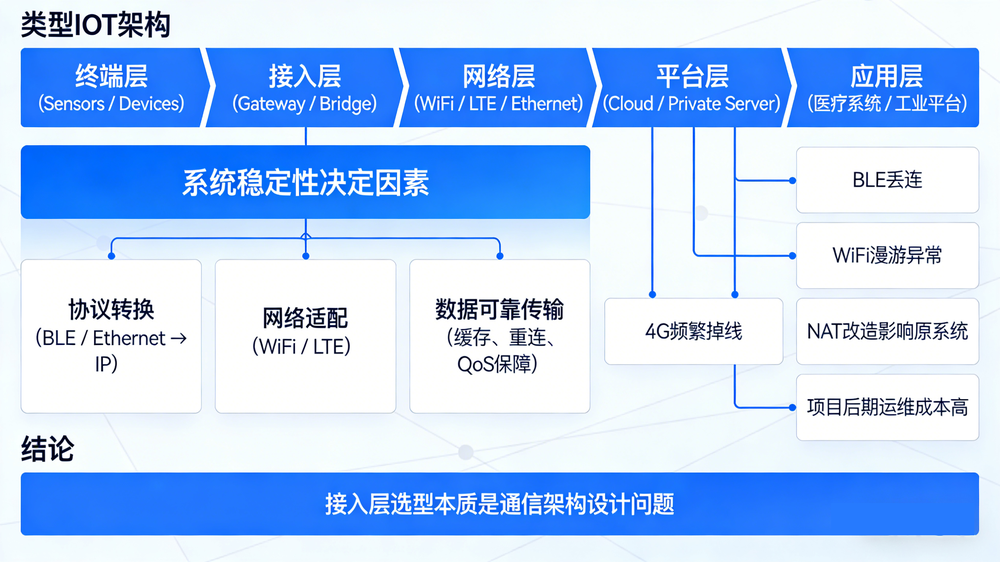
1. Core Challenges of the IoT Access LayerA typical IoT architecture consists of five layers:
Among these layers, the access layer determines overall system stability. Its three key functions include:
If the access layer is poorly designed, common issues may occur:
Therefore, selecting an IoT gateway is essentially a communication architecture design decision.
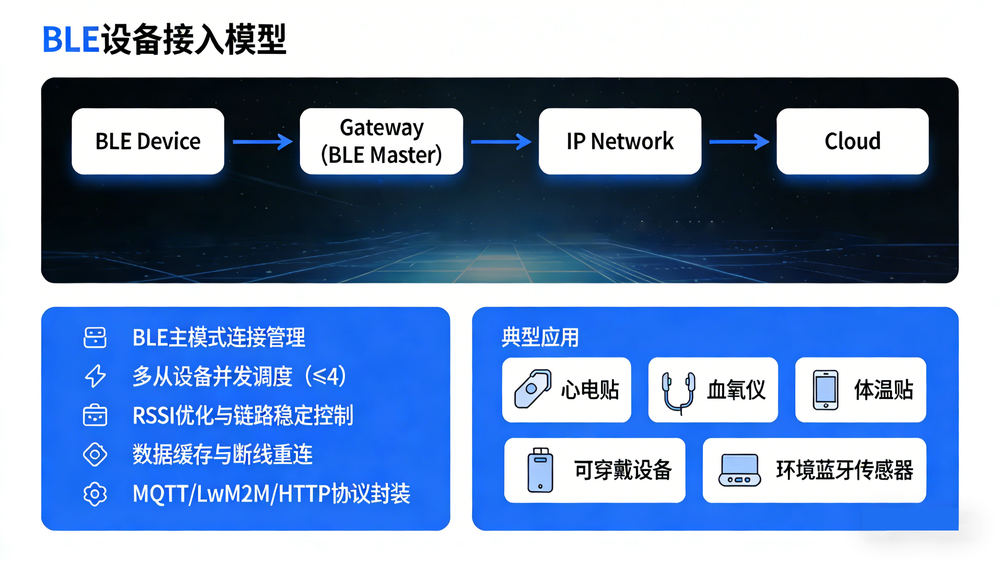
2. IoT Connectivity Architecture Models2.1 BLE Device Connectivity ModelData path: BLE Device → Gateway (BLE Master) → IP Network → Cloud Key technologies include:
Typical applications include:
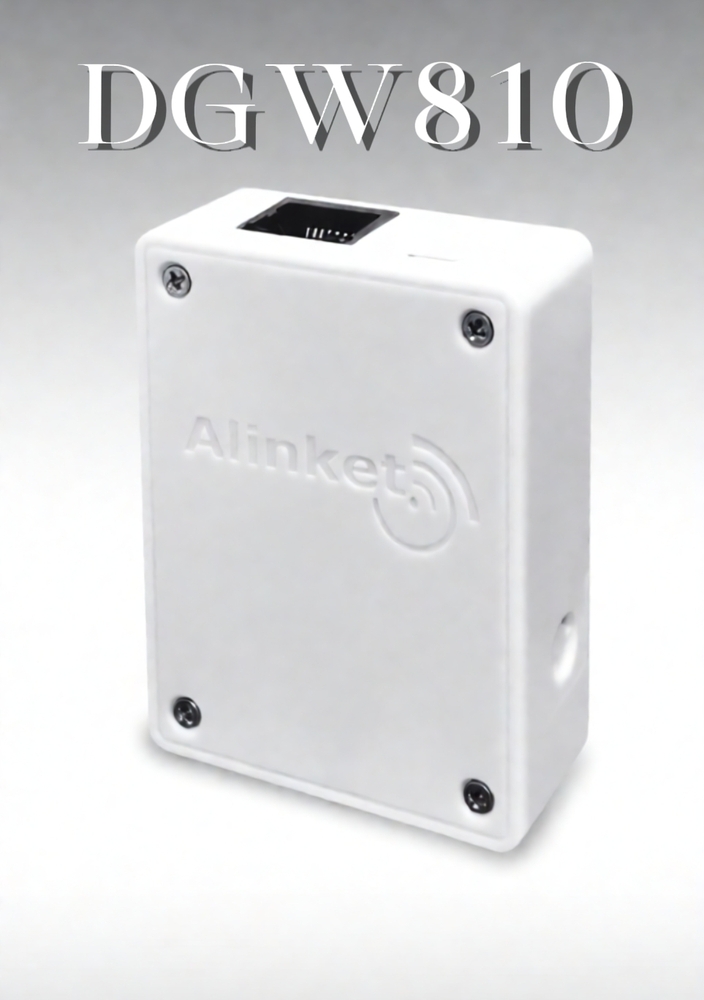
Fixed Wi-Fi Environment — DGW810When stable Wi-Fi infrastructure is available: BLE → DGW810 → Wi-Fi → Cloud Server Key advantages:
Typical scenarios:
This is the most cost-efficient and easiest deployment solution.
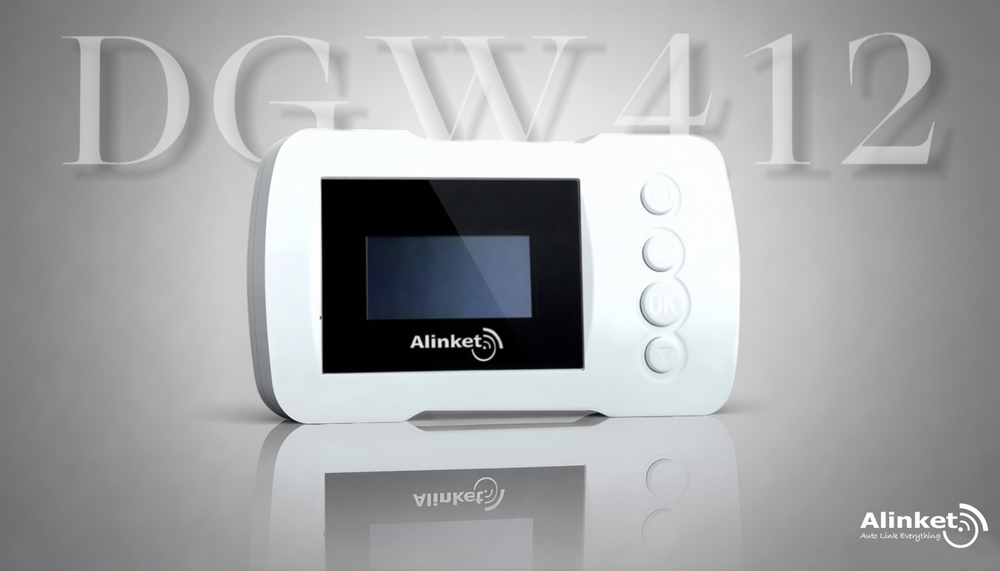
Mobile or No Broadband Scenario — DGW412Data path: BLE → DGW412 → 4G → Cloud Server Key features:
Typical scenarios:
If local network infrastructure is unavailable or mobility is required, the DGW412 is the recommended solution.
2.2 Wireless Transformation of Wired DevicesData path: Ethernet Device → Layer-2 Bridge → Wi-Fi → LAN / Cloud Key technologies:
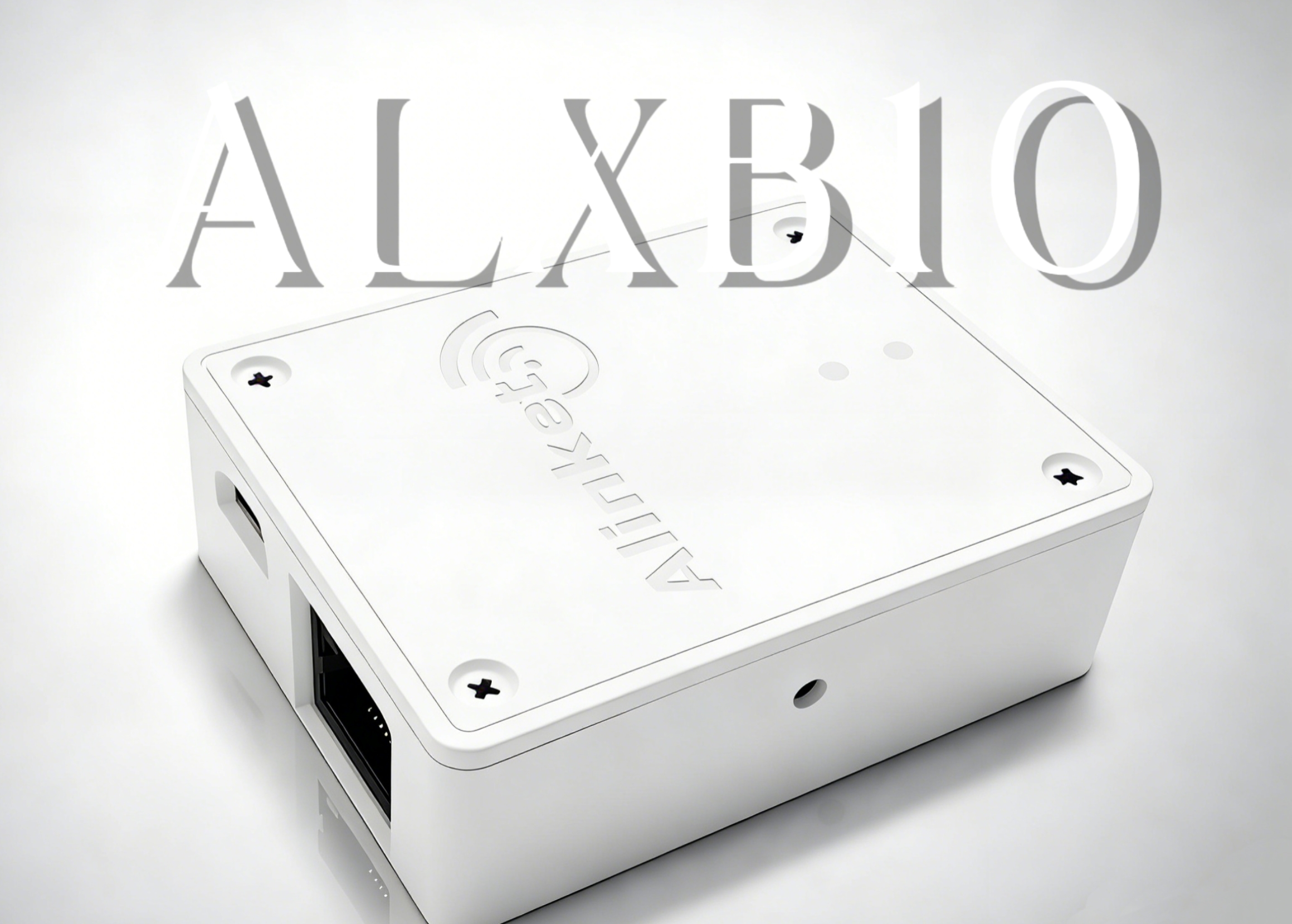
Standard Wireless Upgrade — ALXB10Typical applications:
Technical features:
Advantages:
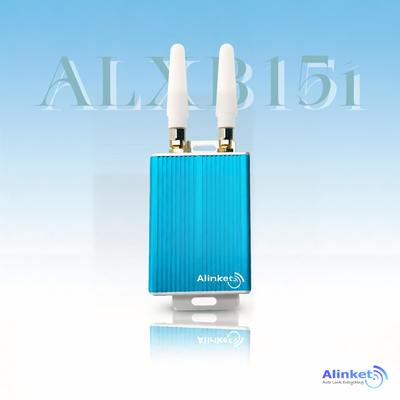
High Stability & High Density Deployment — ALXB15iUpgraded capabilities:
Recommended for:
When wireless environments are complex or real-time performance is critical, ALXB15i is the preferred choice.
2.3 Integrated IoT Access ModelIn complex deployments, systems often include:
Using multiple independent devices may cause:
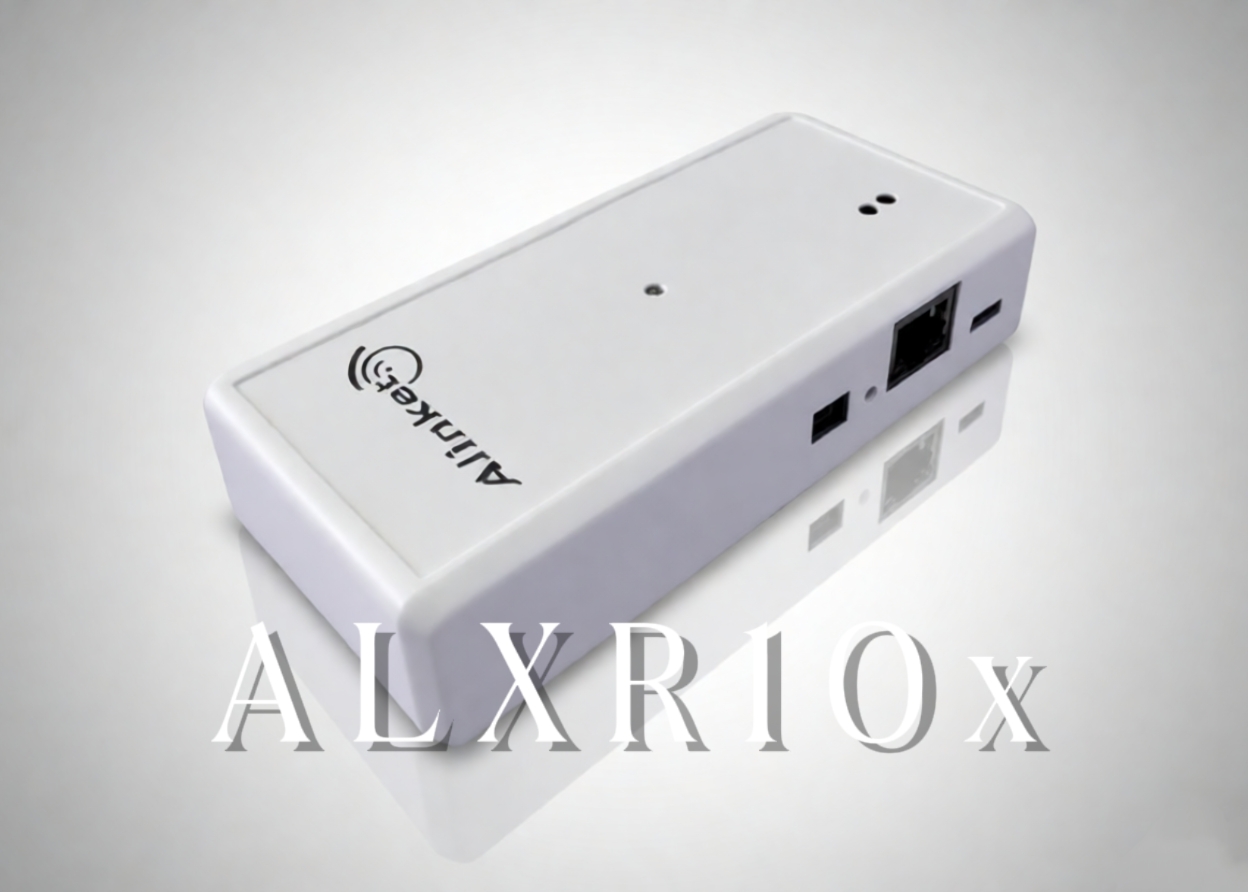
Integrated Gateway Solution — ALXR10Supported interfaces:
Supported architecture combinations:
Key advantages:
Typical applications:
For complex system architectures, integrated gateways significantly reduce deployment complexity.
3. Communication Reliability Mechanisms1. Automatic Reconnection Link status monitoring Automatic redial mechanism Local data buffering Confirmed retransmission Ensures temporary network interruptions do not cause data loss. 2. Data Security Supported security technologies include: WPA / WPA2 encryption AES / TKIP security protocols TLS cloud communication support These features meet security requirements for industrial and medical applications. 3. Multi-Link Deployment Strategy Primary Wi-Fi connection + 4G backup Dual communication redundancy Remote firmware upgrades This architecture significantly improves system reliability and availability.
4. Gateway Selection MethodologySelecting the right IoT gateway requires answering three questions. 1. Terminal Interface Type BLE devices → DGW810 / DGW412 Wired devices → ALXB10 / ALXB15i Mixed devices → ALXR10 2. Network Environment Stable Wi-Fi available → Wi-Fi gateway No Wi-Fi → 4G gateway Dual network redundancy → Integrated gateway 3. Deployment Mode Fixed installation → Wi-Fi connectivity Mobile deployment → 4G connectivity Complex system integration → Integrated gateway
5. ConclusionIn smart healthcare and industrial IoT applications, system stability is determined not by the number of features but by the correctness of the architecture design. Alinket provides a complete IoT access layer solution through:
These solutions help customers achieve:
|